Skip to content

BhaktiDuniya Editorial Team

The lion listens to the two jackals of the Panchatantra (Kalila and Dimna)
Traditional / folk account

The Breaking of Friends: The Lion Pingalaka, the Bull Sanjivaka and the Two Jackals

The Panchatantra begins with a king worried about sons who will not study. The scholar Vishnu Sharma teaches them wisdom through stories. The first book, the Breaking of Friends, tells of the friendship between the lion Pingalaka and the bull Sanjivaka, destroyed by the ambitious jackal Damanaka through slander.

The monkey on the carpenter's log, about to pull out the wedge
Traditional / folk account

The Monkey and the Wedge: The Price of Meddling in What Is Not Yours

While building a temple, carpenters left a wedge in a half-split log and went to eat. A playful monkey sat on the log and pulled at the wedge. When it came out, the two halves snapped shut and the monkey was trapped and killed. The jackal Karataka tells this story to Damanaka.

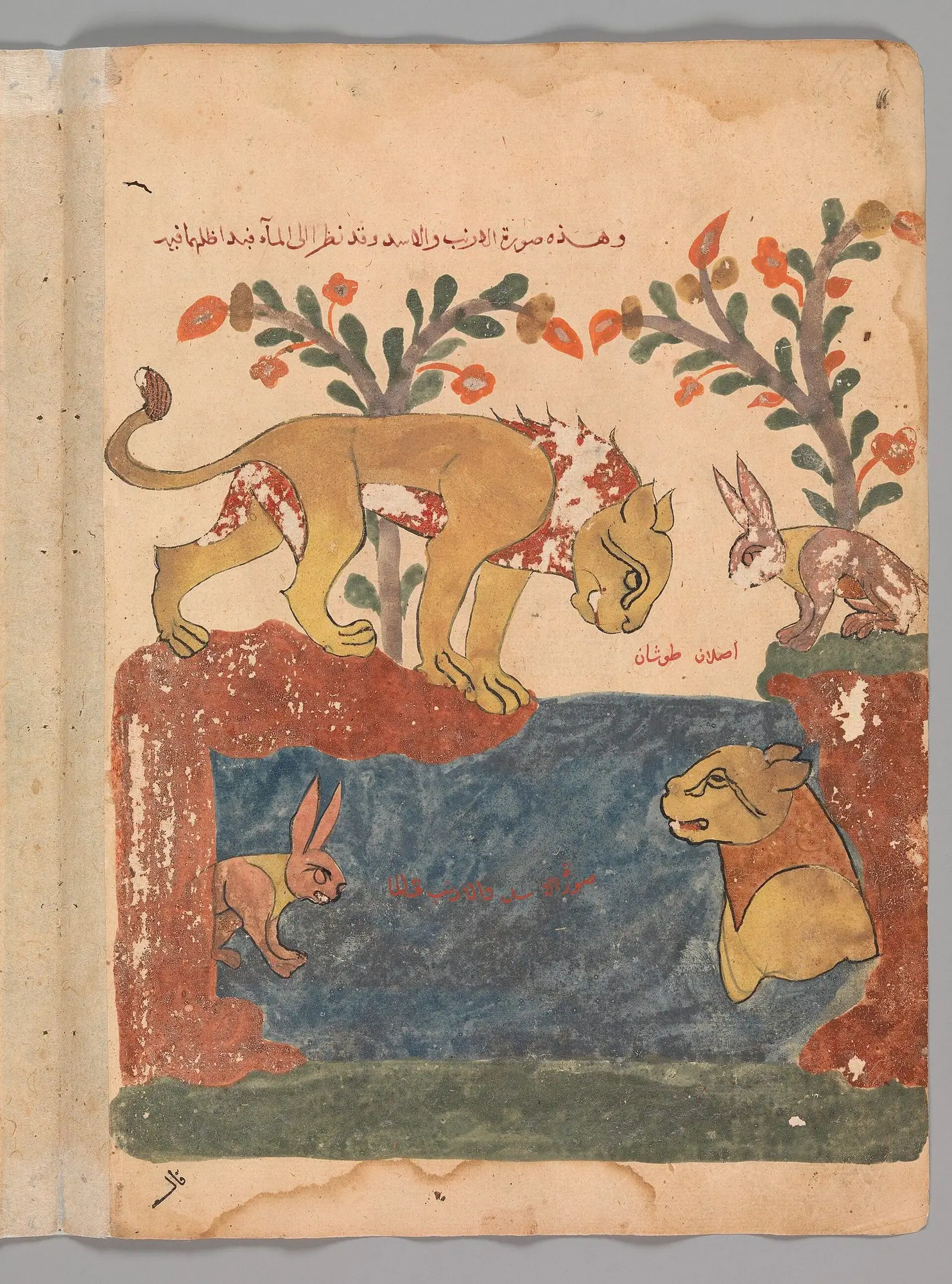
The clever hare shows the lion his reflection in the well
Traditional / folk account

The Lion and the Clever Hare: When Wit Sent Strength Down a Well

A lion named Bhasuraka killed the forest animals without restraint. The animals agreed to send him one of their number each day. When it was the turn of a small hare, he arrived late, told the lion about a rival lion and led him to a deep well, where the lion leapt at his own reflection.

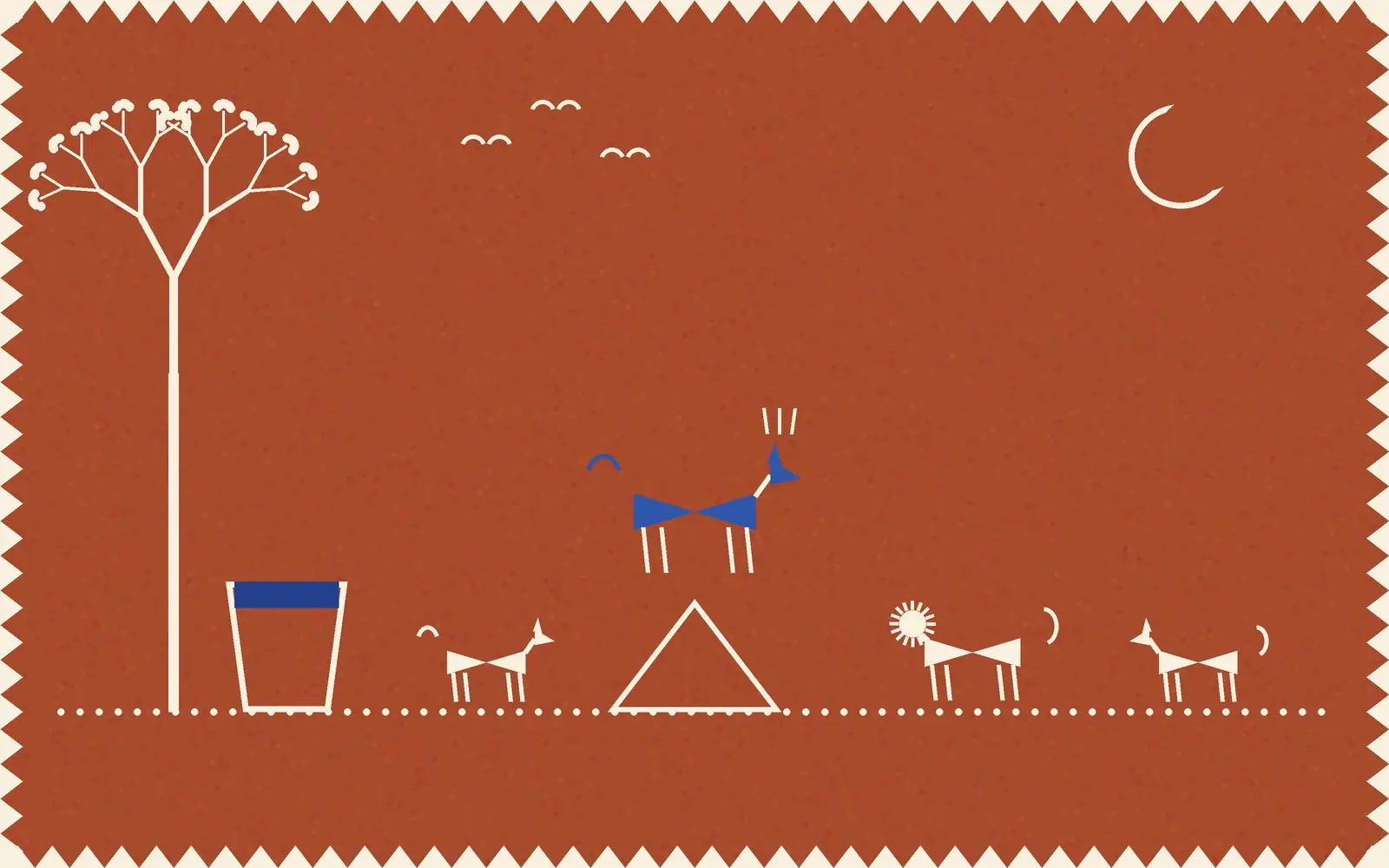
Warli-style artwork: the jackal dyed blue sits as king of the forest
Traditional / folk account

The Blue Jackal: The Jackal Dyed in Indigo Who Became King

Fleeing the town dogs, the hungry jackal Chandarava fell into a dyer's vat of indigo and turned blue. The forest animals feared this strange creature, and he declared himself a king sent by Brahma. He drove away his own kin, the jackals, but one night, hearing them howl, he could not help howling too.

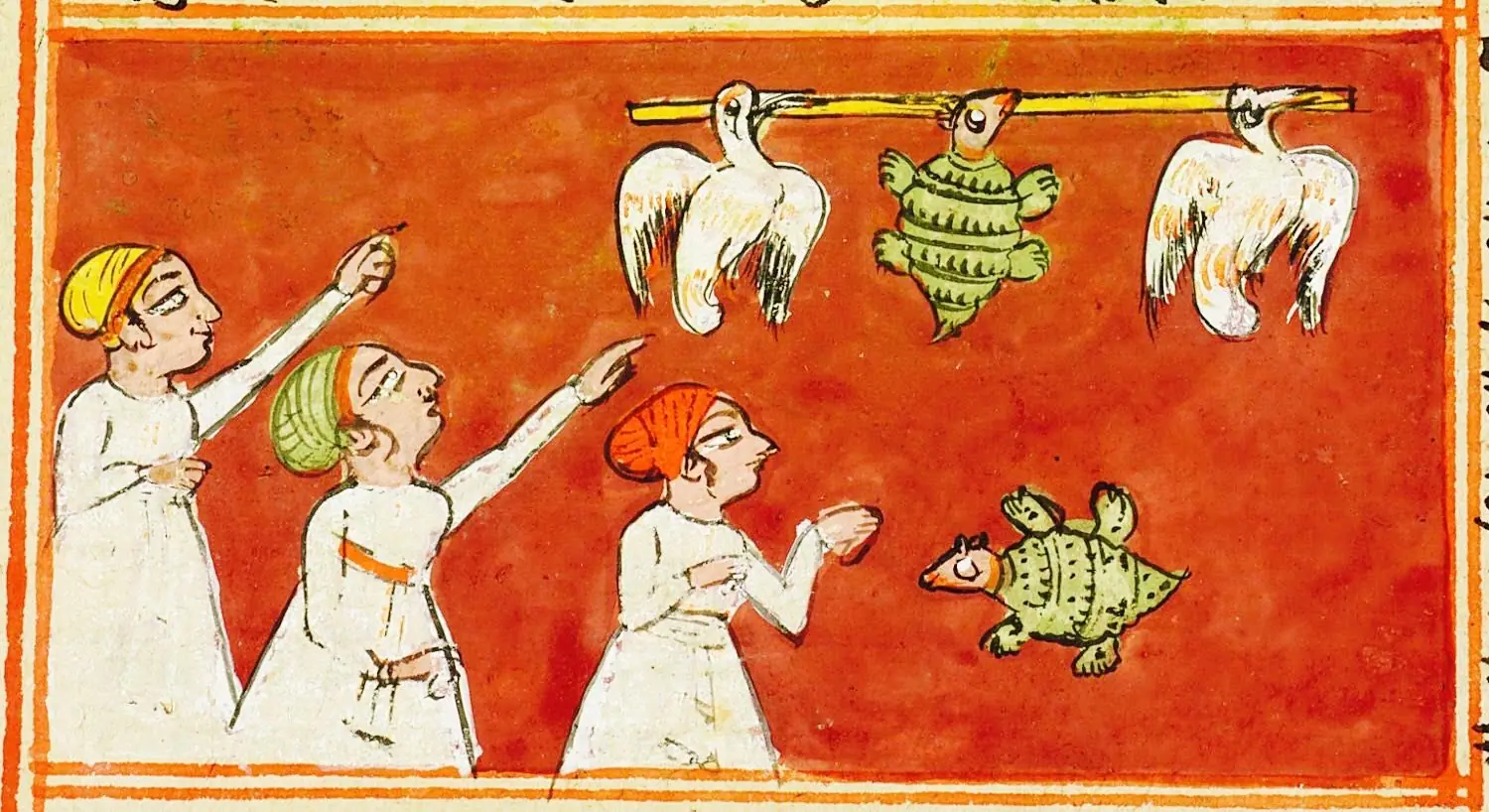
The turtle flying with the two swans, holding a stick in its mouth
Traditional / folk account

The Turtle and the Two Swans: When One Word Ended the Flight

The turtle Kambugriva and the swans Sankata and Vikata were close friends. When drought struck, the swans found a way to carry him to another lake: he would bite on a stick while they held its ends. The condition was that he must not speak on the way. Hearing the townspeople below, the turtle spoke and fell.

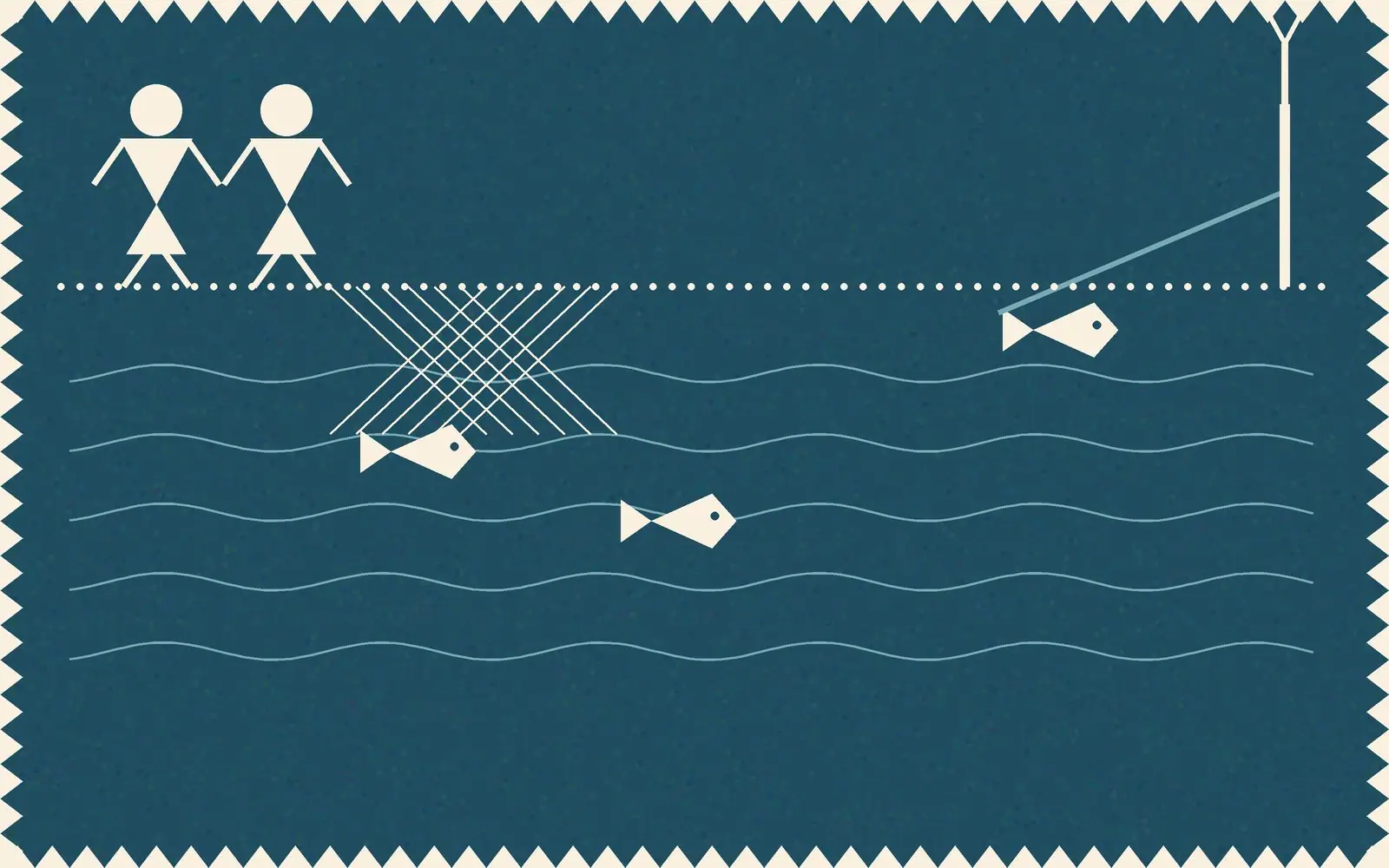
Warli-style artwork: the three fishes of the lake and the fishermen with their net
Traditional / folk account

The Three Fishes: Forethought, Readywit and Whatever-Will-Be

Three fishes lived in a lake: Anagatavidhata, who planned ahead; Pratyutpannamati, who thought fast in a crisis; and Yadbhavishya, who left everything to fate. Hearing that fishermen would come, the first left in advance, the second escaped the net by pretending to be dead, and the third was caught.

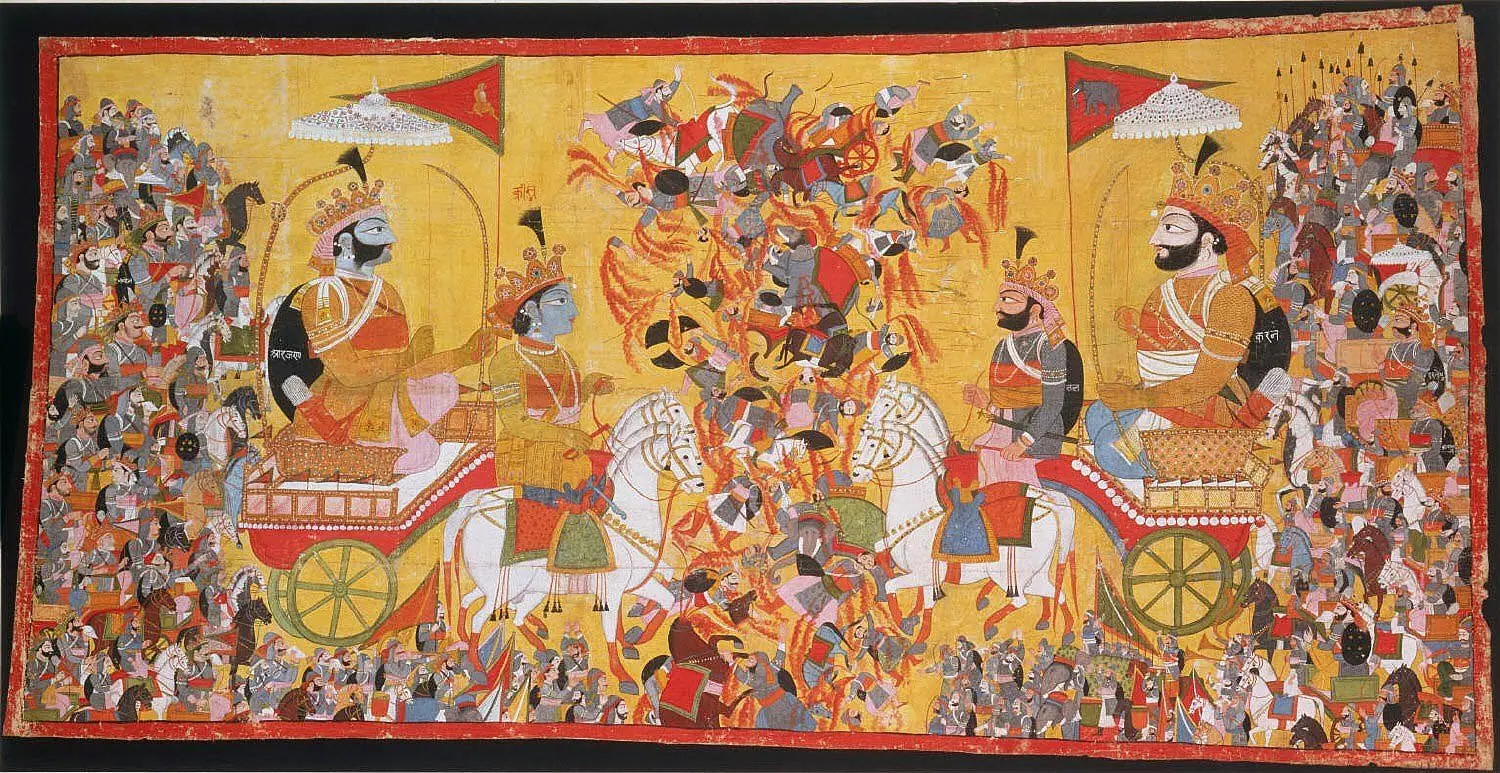
Arjuna, with Krishna as his charioteer, confronts Karna
Traditional / folk account

The Bridge of Arrows and the Monkey Banner: How Hanuman Came to Arjuna's Chariot

According to a folk tale, Arjuna reached Rameswaram on pilgrimage and said Rama could have built a bridge of arrows. A small monkey challenged him, and Arjuna's arrow bridge broke under its weight. By Krishna's grace the second bridge held, and Hanuman promised to stay on Arjuna's banner. In the Mahabharata, Arjuna is called Kapidhvaja, and at the war's end the monkey vanishes from his flag.

Kalighat painting of baby Krishna asking Yashoda for butter
Scriptural narrative

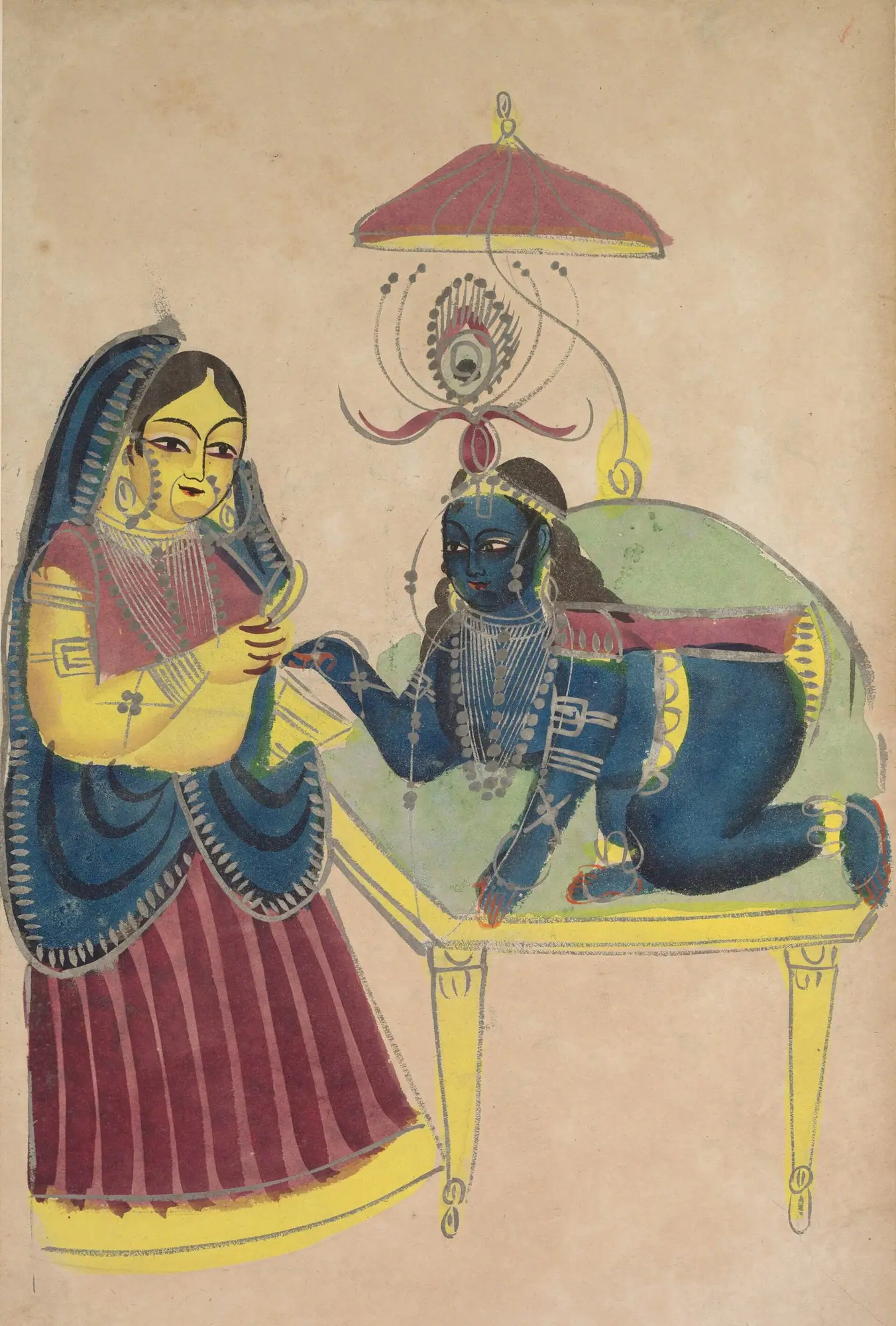
Krishna the Butter Thief: From Childhood Mischief to Damodara

In the tenth book of the Bhagavata Purana, the women of Gokul complain to Yashoda about little Krishna stealing butter. One day Yashoda tries to tie him to a mortar, but the rope is always two fingers too short, and the episode ends with two cursed sons of Kubera being set free.

Krishna and Satyabhama fly through the night sky on Garuda
Traditional / folk account

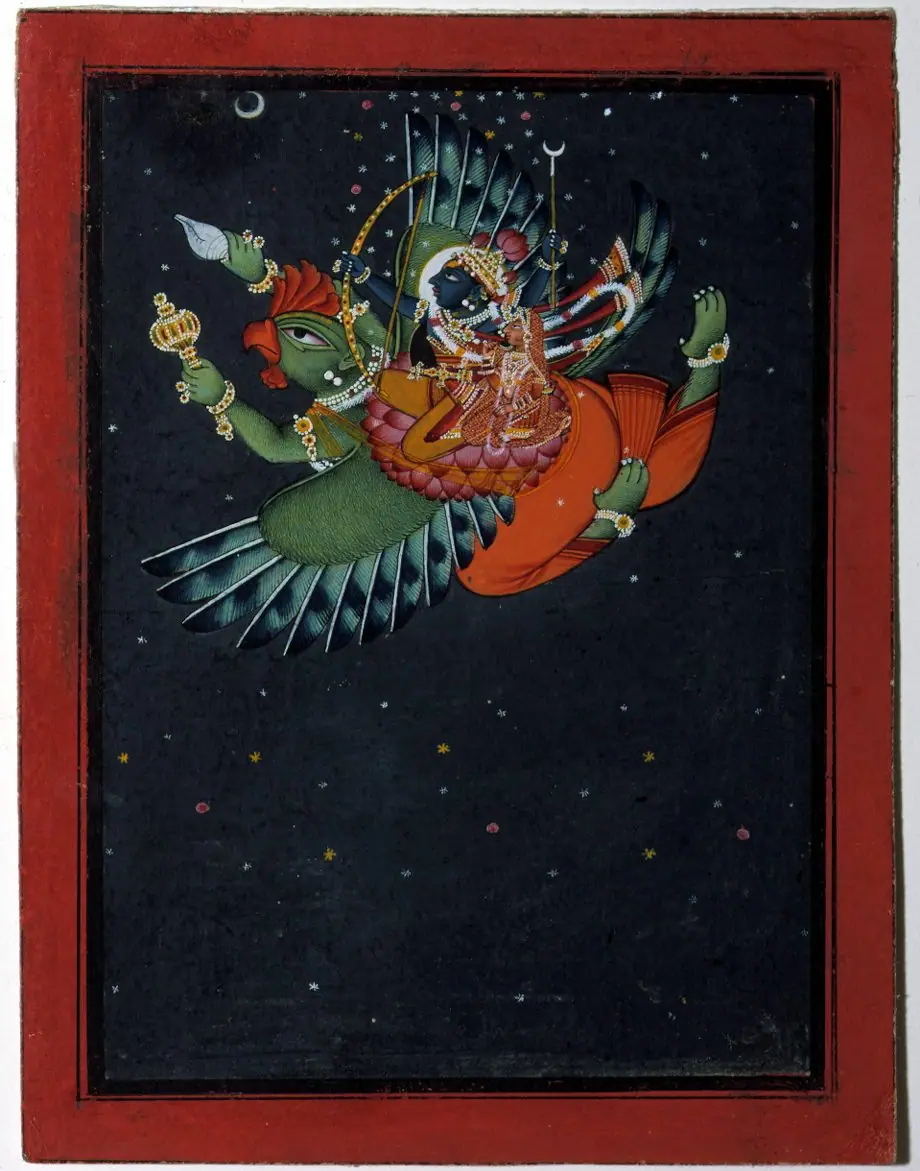
Three Prides in Dwarka: How Hanuman Humbled Garuda, Satyabhama and the Sudarshana

According to a popular folk tale, in Dwarka, Garuda grew proud of his speed, Satyabhama of her beauty and the Sudarshana discus of its power. Krishna sent Garuda to fetch Hanuman, set the Sudarshana to guard the gate and took the form of Rama himself. Hanuman arrived before Garuda, carried the Sudarshana in his mouth and asked where Mother Sita was.

Sita with Lava and Kusha in Valmiki's hermitage
Traditional / folk account

The Ashvamedha Horse: When Two Boys Tied Up Hanuman

In the Valmiki Ramayana, Lava and Kusha sing the Ramayana at Rama's Ashvamedha sacrifice. The Padma Purana and later traditions add another tale: the sacrificial horse reached Valmiki's hermitage, Lava tied it up, a battle followed, and in some Ramayanas the two boys bound Hanuman and brought him to their mother Sita. Hanuman accepted defeat at the hands of his mistress's sons.

Bhagavata Purana folio showing Narasimha and Hiranyakashipu
Scriptural narrative

Narasimha: The Lord Who Emerged from a Pillar, and the Boy Prahlada

In the seventh book of the Bhagavata Purana, the demon king Hiranyakashipu tries again and again to kill his devoted son Prahlada. At last Vishnu appears from a pillar as Narasimha, half man and half lion, and ends the king's life while honouring every condition of his boon.

Shani, the deity of Saturn, seated on a crow
Traditional / folk account

Shani and Hanuman: Why Hanuman Is Worshipped on Saturdays

Folk tradition tells two well-known stories of Shani and Hanuman. In one, Hanuman frees Shani, held captive by Ravana in Lanka. In the other, Shani comes to cast his gaze on Hanuman, is overwhelmed by Hanuman's strength and asks forgiveness. Both end with Shani's promise not to trouble Hanuman's devotees, and the oil for his wounds gives rise to the custom of offering oil to Shani.

Sant Tukaram's ascent to Vaikuntha
Traditional / folk account

The Poems the River Returned: Sant Tukaram and His Abhangas

Tukaram, a 17th-century Varkari saint, composed abhangas in Marathi in devotion to Vitthal. According to tradition, on a scholar's order he sank his manuscripts in the Indrayani river and fasted on its bank for thirteen days, after which they rose to the surface. Here is the story, with history and faith kept side by side.

Kalighat painting of Hanuman in flight
Scriptural narrative

The Birth of Hanuman: Anjana, Kesari and the Blessing of the Wind God

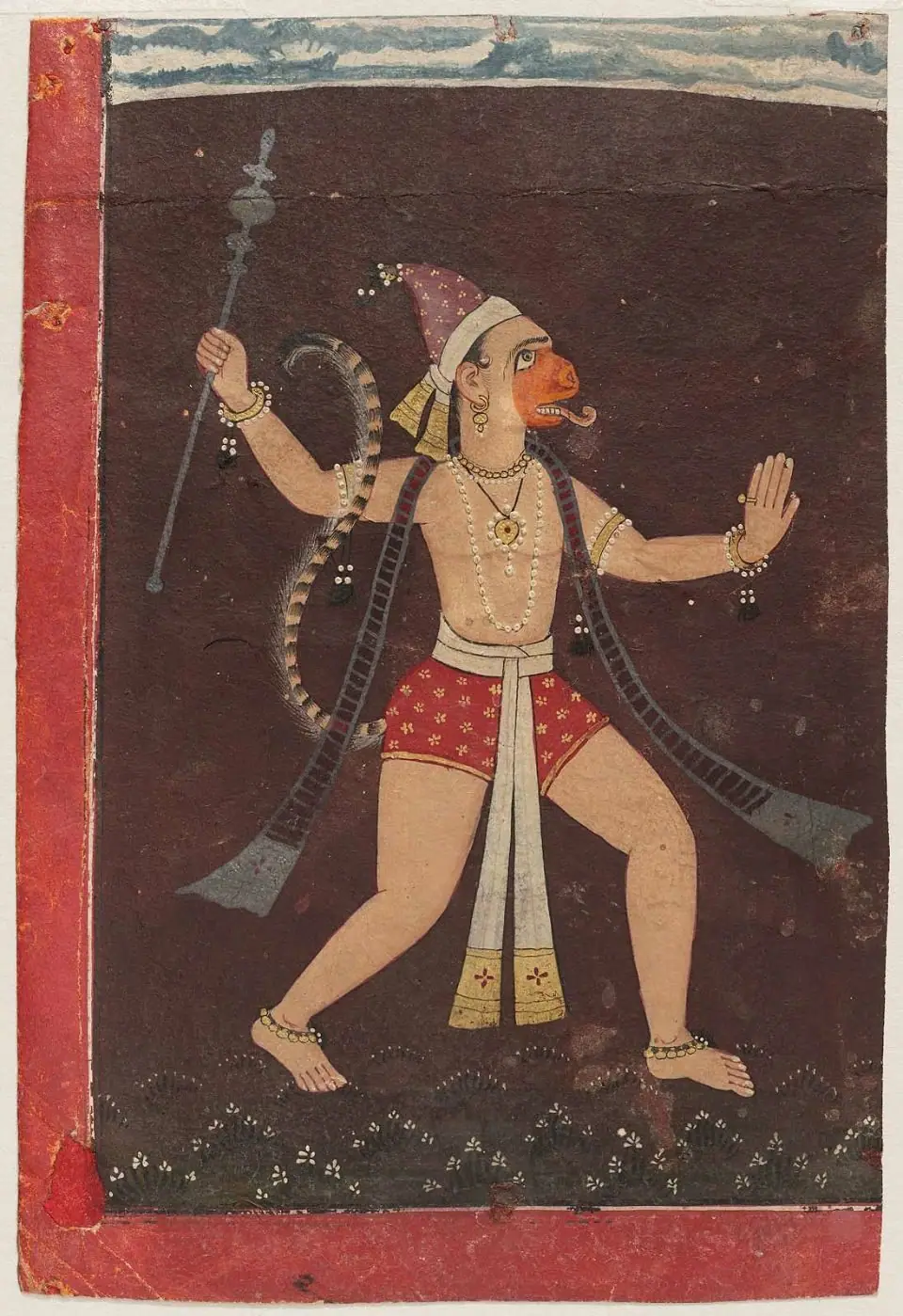
According to the Valmiki Ramayana, Hanuman is the son of the monkey king Kesari and Anjana, born through a blessing of Vayu, the wind god, which is why he is called the son of the wind. The Shiva Purana regards him as a partial incarnation of Shiva. This article tells the full birth story while keeping these traditions distinct.

Hanuman carrying Rama and Lakshmana on his shoulders
Devotional / belief

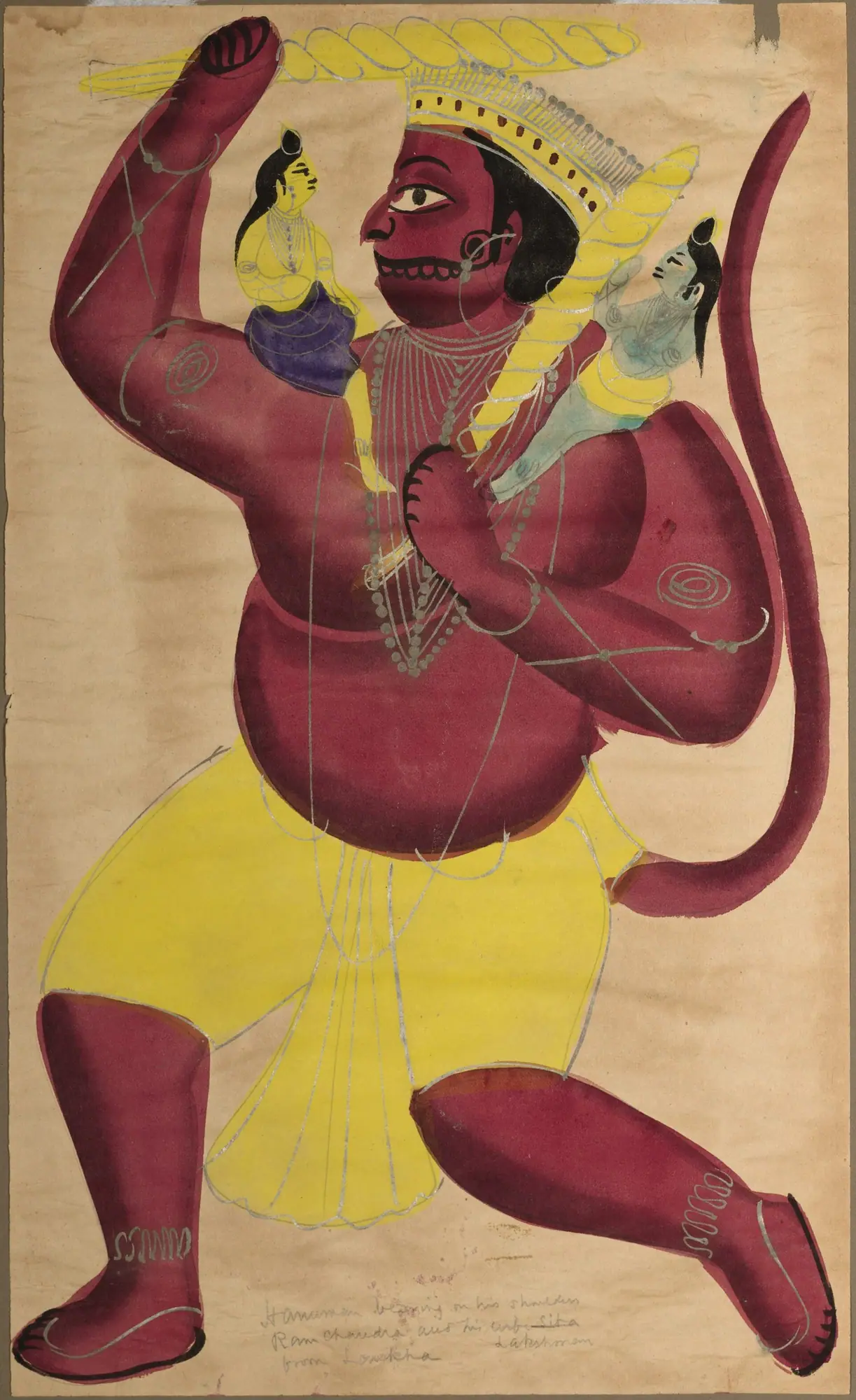
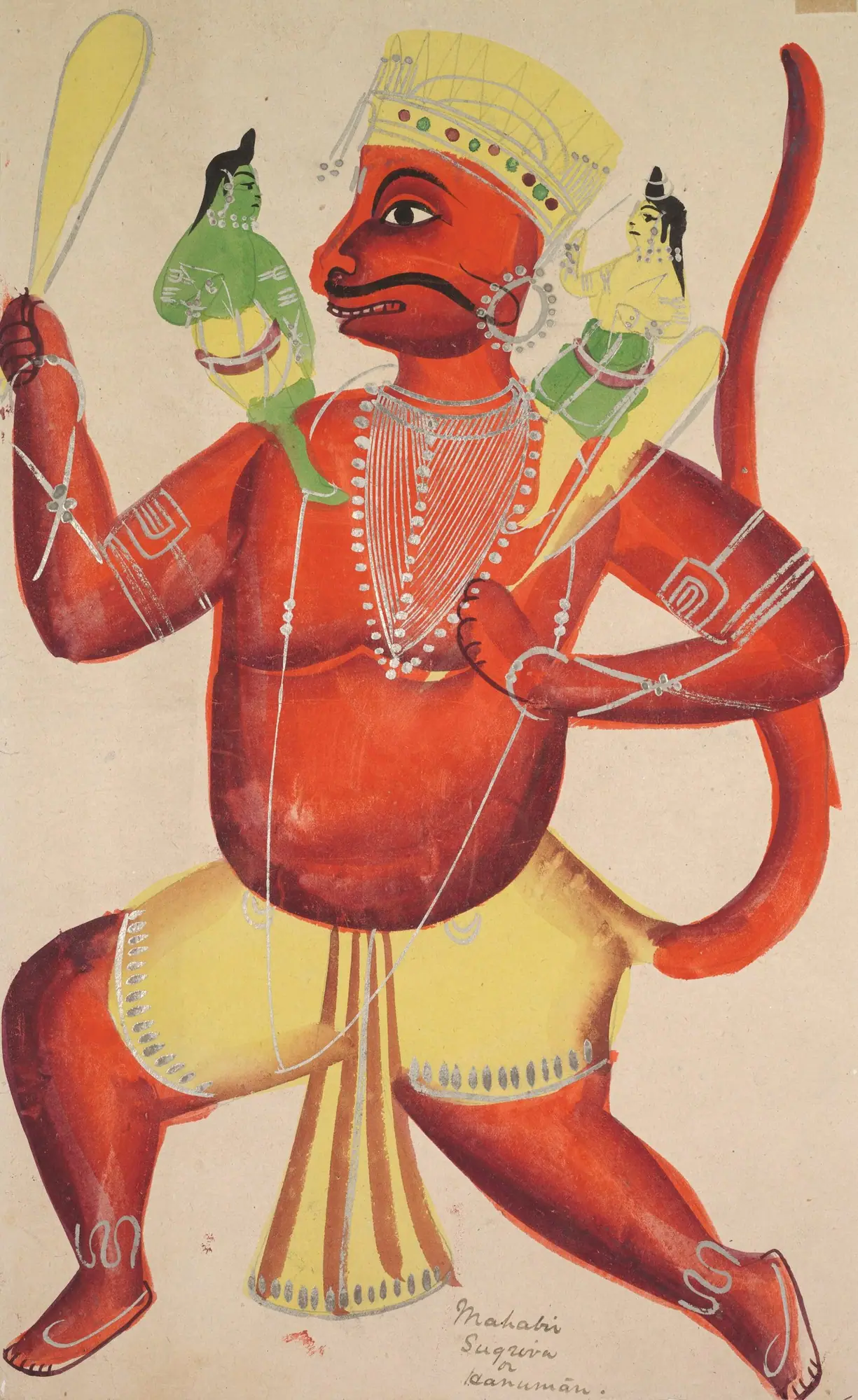
The Saffron Hanuman: Sindoor, Tuesdays and Mother Sita's Blessings

According to a folk tale, Hanuman saw Sita putting sindoor in the parting of her hair and asked why. Sita said it brought her husband long life. Hanuman then covered his whole body in sindoor, and a delighted Rama said that whoever offers sindoor to Hanuman will be dear to him. In the Ramcharitmanas, Sita blesses him to be ageless and immortal, and Tuesday worship comes from popular faith.

Raja Sansar Chand and the saint Tulsidas paying homage to Rama and Sita
Traditional / folk account

Tulsidas and Hanuman: The Tradition of Seeing Rama at Chitrakoot

Goswami Tulsidas was a sixteenth-century poet-saint who wrote the Ramcharitmanas. Devotional biographies say a ghost in Kashi told him that Hanuman came to hear Rama's story disguised as an old brahmin. Tulsidas held his feet, and Hanuman sent him to Chitrakoot, where Rama took a sandal-paste mark from him. These are stories of faith, while works such as the Hanuman Bahuk are evidence of his own devotion.

Young Hanuman leaping towards the sun, mistaking it for a fruit
Scriptural narrative

When Baby Hanuman Mistook the Sun for a Fruit: How He Got His Name

According to the Valmiki Ramayana, baby Hanuman mistook the red rising sun for a ripe fruit and leapt into the sky after it. Indra's thunderbolt struck his jaw, or hanu, and he became known as Hanuman. When the wind god withheld the air in grief, the gods restored the child and gave him many boons.

Raja Ravi Varma's painting of Rama breaking Shiva's bow
Scriptural narrative

When Rama Broke Shiva's Bow: The Story of Mithila

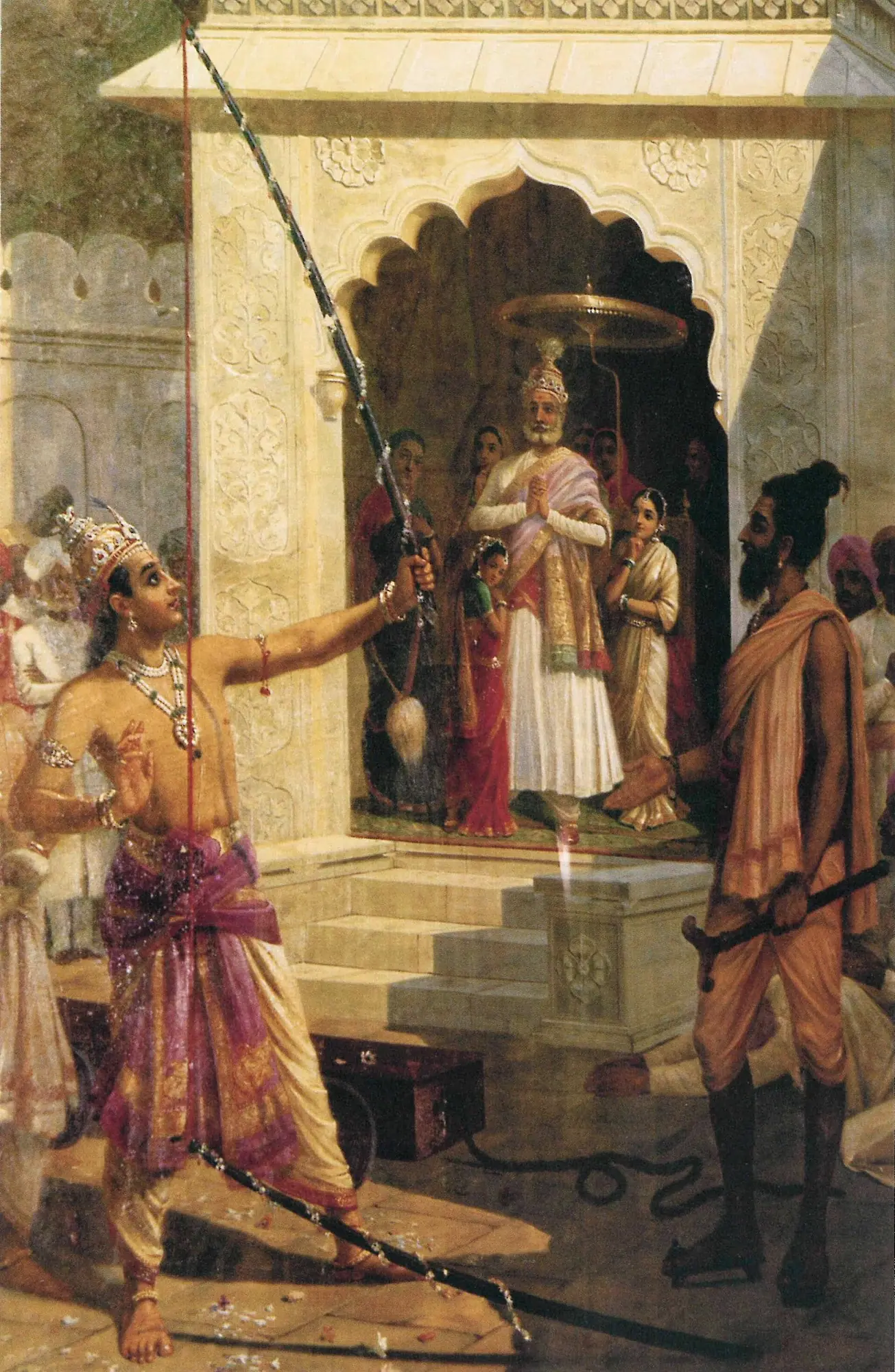
In the Bala Kanda of Valmiki's Ramayana, King Janaka vowed that Sita would marry whoever could string Shiva's ancient bow. The young Rama, travelling with the sage Vishvamitra, lifted it and it broke. Tulsidas's Ramcharitmanas tells the same episode as a grand swayamvar.

Guru and disciple at a hermitage
Scriptural narrative

Satyakama Jabala: The Boy Whose Honesty Became His Lineage

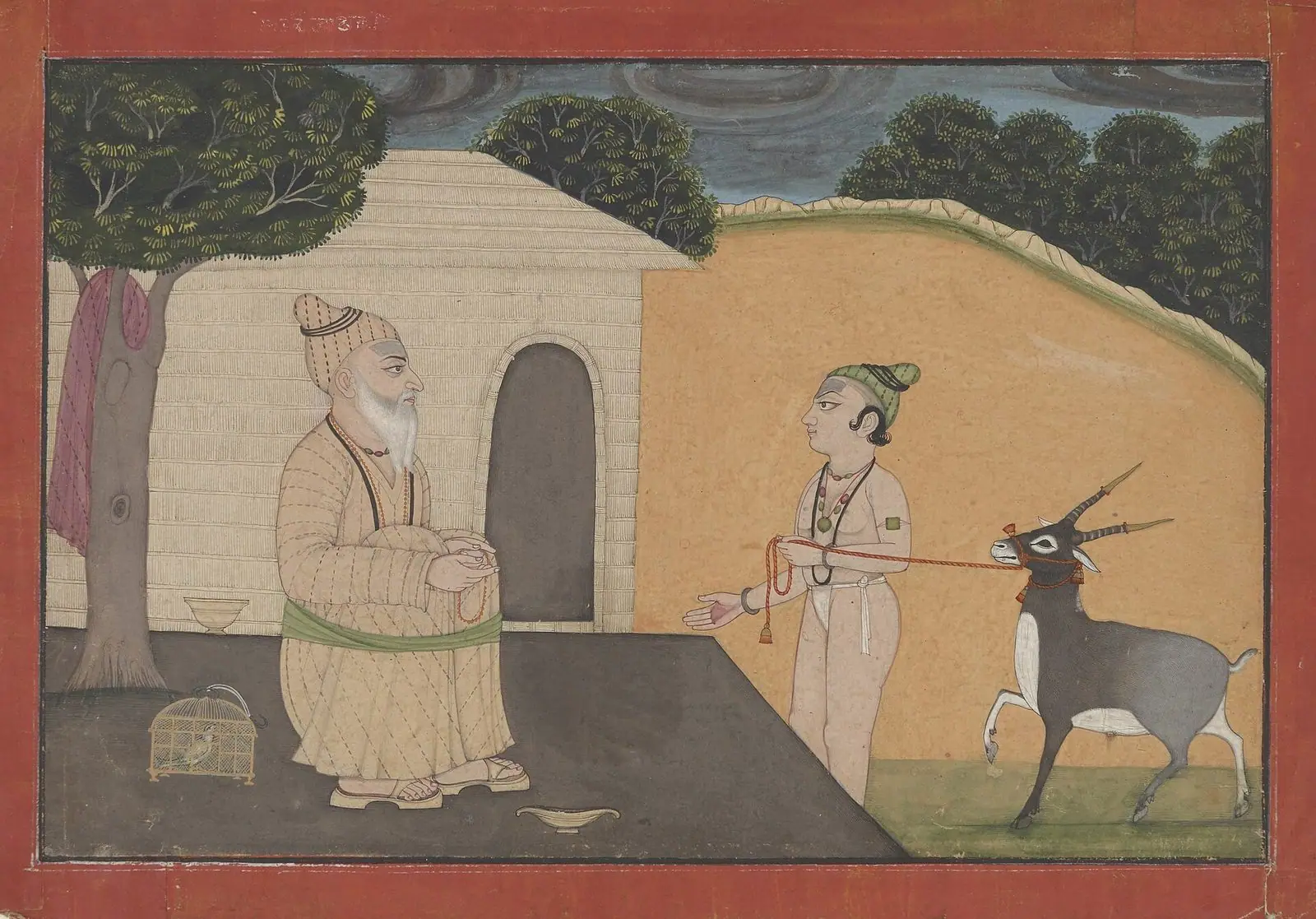
In the Chandogya Upanishad (4.4-4.9), a boy named Satyakama tells a teacher plainly that he does not know his lineage. Moved by his honesty, the sage Gautama accepts him, sends him away with four hundred weak cows, and years later Satyakama learns the four quarters of Brahman from four forms of nature.

Hanuman meeting Sita in the Ashoka grove
Scriptural narrative

Across the Ocean to the Ashoka Grove: How Hanuman Found Sita

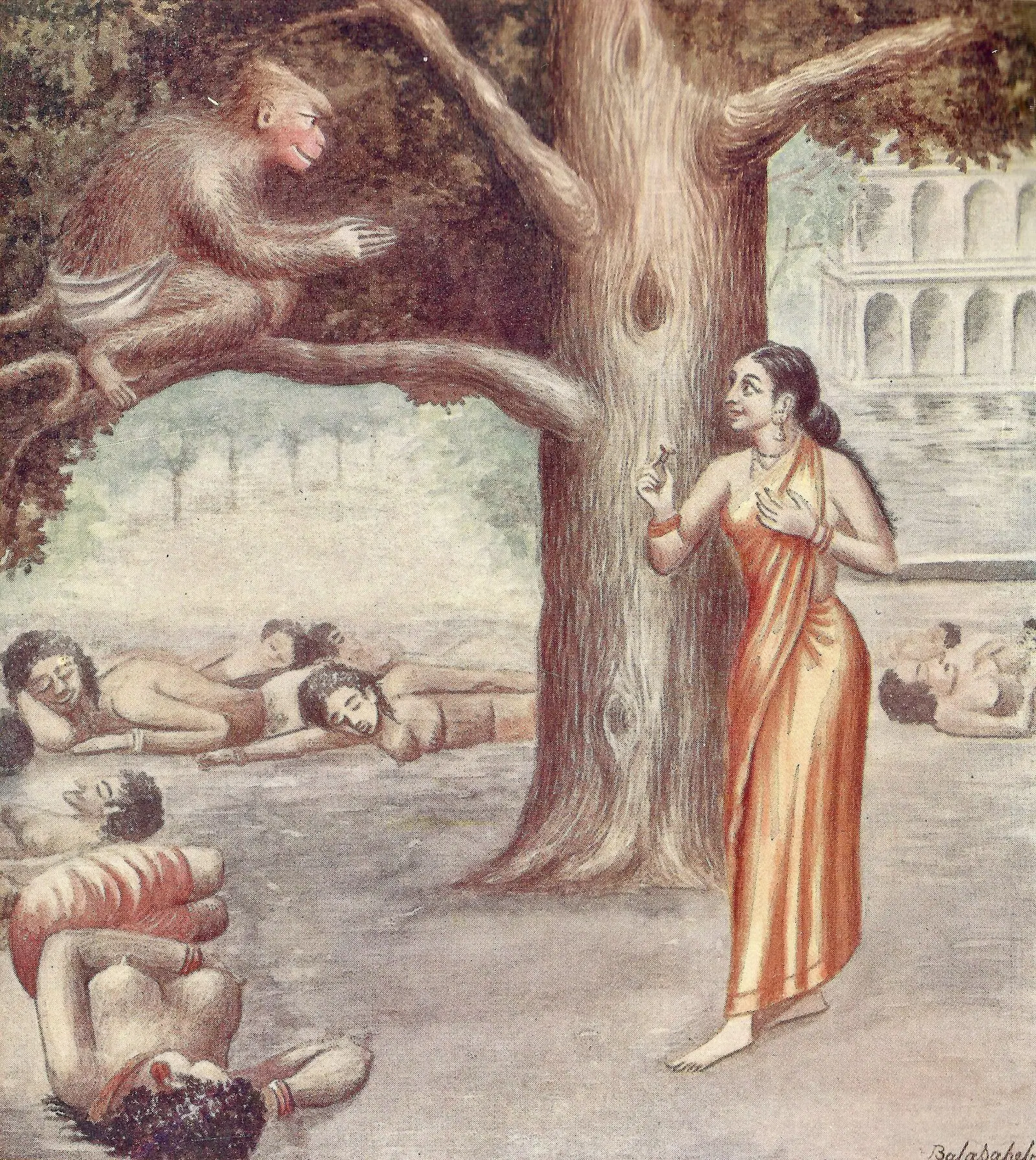
In the Sundara Kanda, Hanuman leaps across the ocean, searches all of Lanka by night and, after nearly despairing, finds Sita in the Ashoka grove and gives her Rama's ring. The story is a model of courage, intelligence, patience and loyalty.

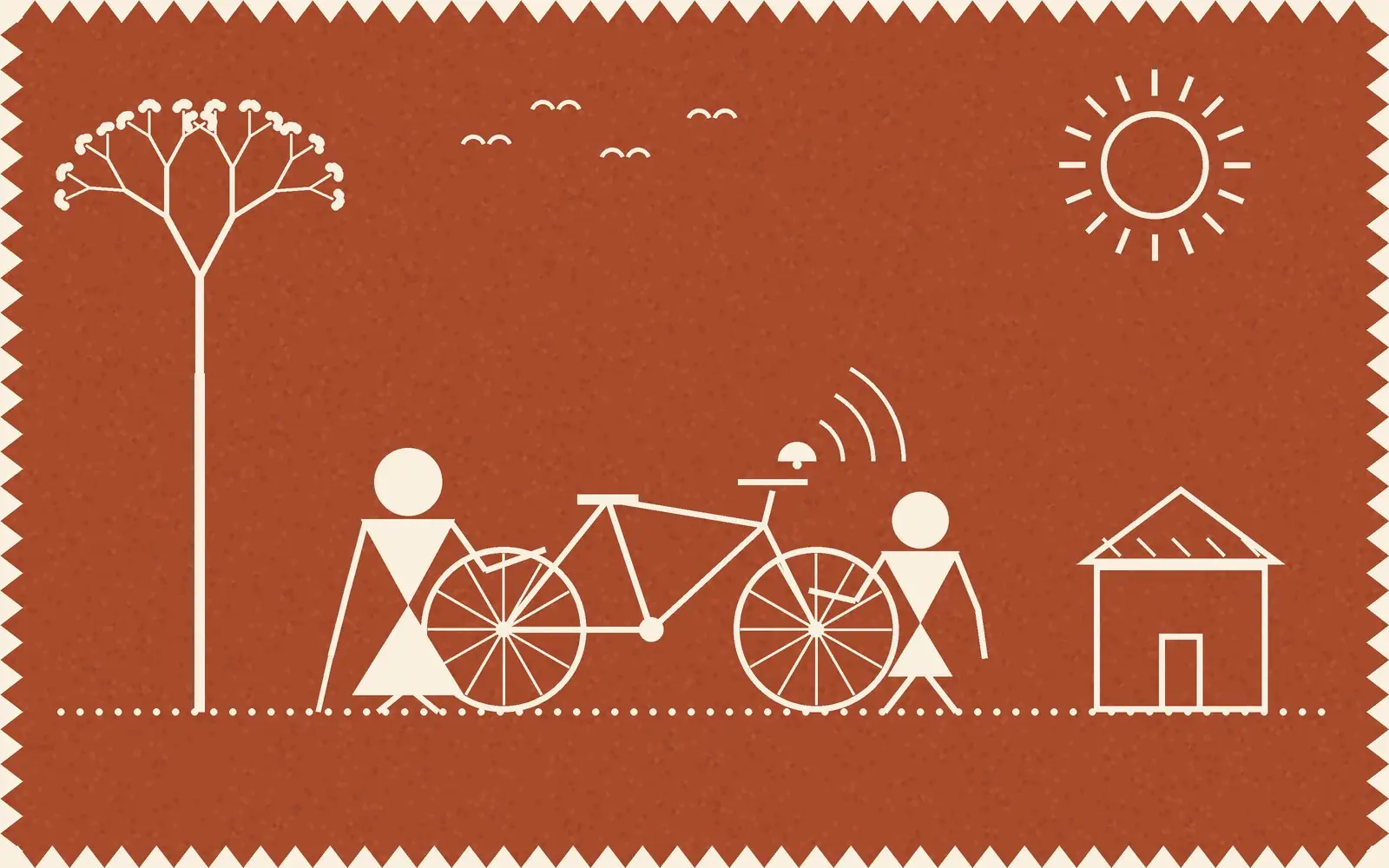
Warli-style artwork: an old bicycle and its bell, an elderly woman and a teenage boy
Inspirational story (fiction)

The Old Bicycle Bell: A Story of Forgiveness

Sarla Mishra, a retired teacher in Lucknow, loses the bicycle that was her late husband's last keepsake. Months later, the sound of its bell leads her to a fourteen-year-old boy. This original story explores forgiveness not as weakness but as considered courage.

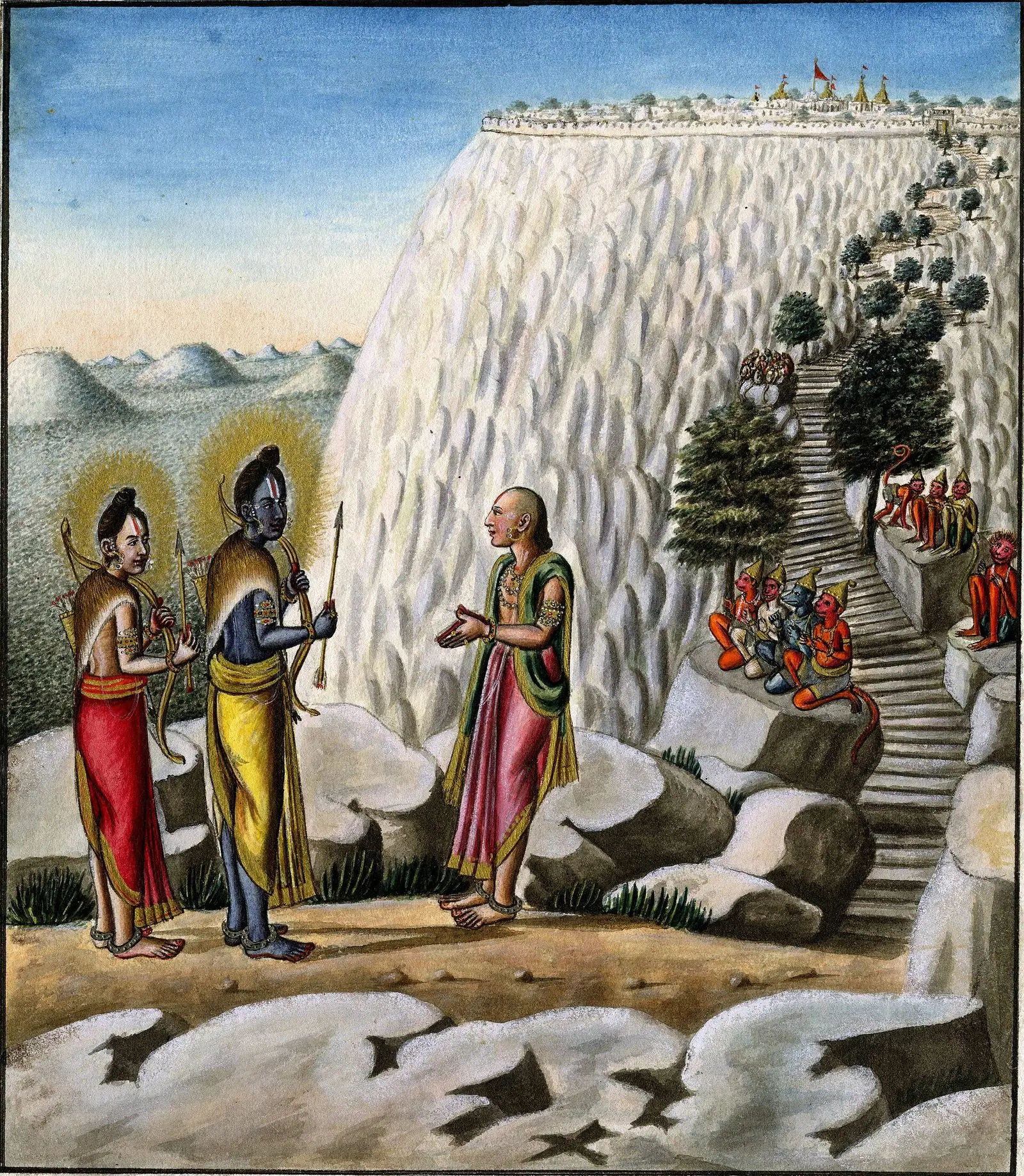
Rama and Lakshmana meeting Hanuman on Mount Rishyamukha
Scriptural narrative

The Meeting on Rishyamukha: When Hanuman First Met Rama

When Rama and Lakshmana, searching for Sita, reached Lake Pampa, the frightened monkey king Sugriva sent Hanuman disguised as a mendicant to find out who they were. Rama was captivated by Hanuman's speech. This meeting led to the friendship between Rama and Sugriva and turned the course of the Ramayana.