
BhaktiDuniya: Sanatan Dharma, stories, scriptures and wisdom

Panchatantra
The Breaking of Friends: The Lion Pingalaka, the Bull Sanjivaka and the Two Jackals
Editorial team
The Panchatantra begins with a king worried about sons who will not study. The scholar Vishnu Sharma teaches them wisdom through stories. The first book, the Breaking of Friends, tells of the friendship between the lion Pingalaka and the bull Sanjivaka, destroyed by the ambitious jackal Damanaka through slander.

Panchatantra
The Monkey and the Wedge: The Price of Meddling in What Is Not Yours
Editorial team
Panchatantra
The Lion and the Clever Hare: When Wit Sent Strength Down a Well
Editorial team
Read more

Latest articles
View allPanchatantra
The Blue Jackal: The Jackal Dyed in Indigo Who Became King
Editorial team
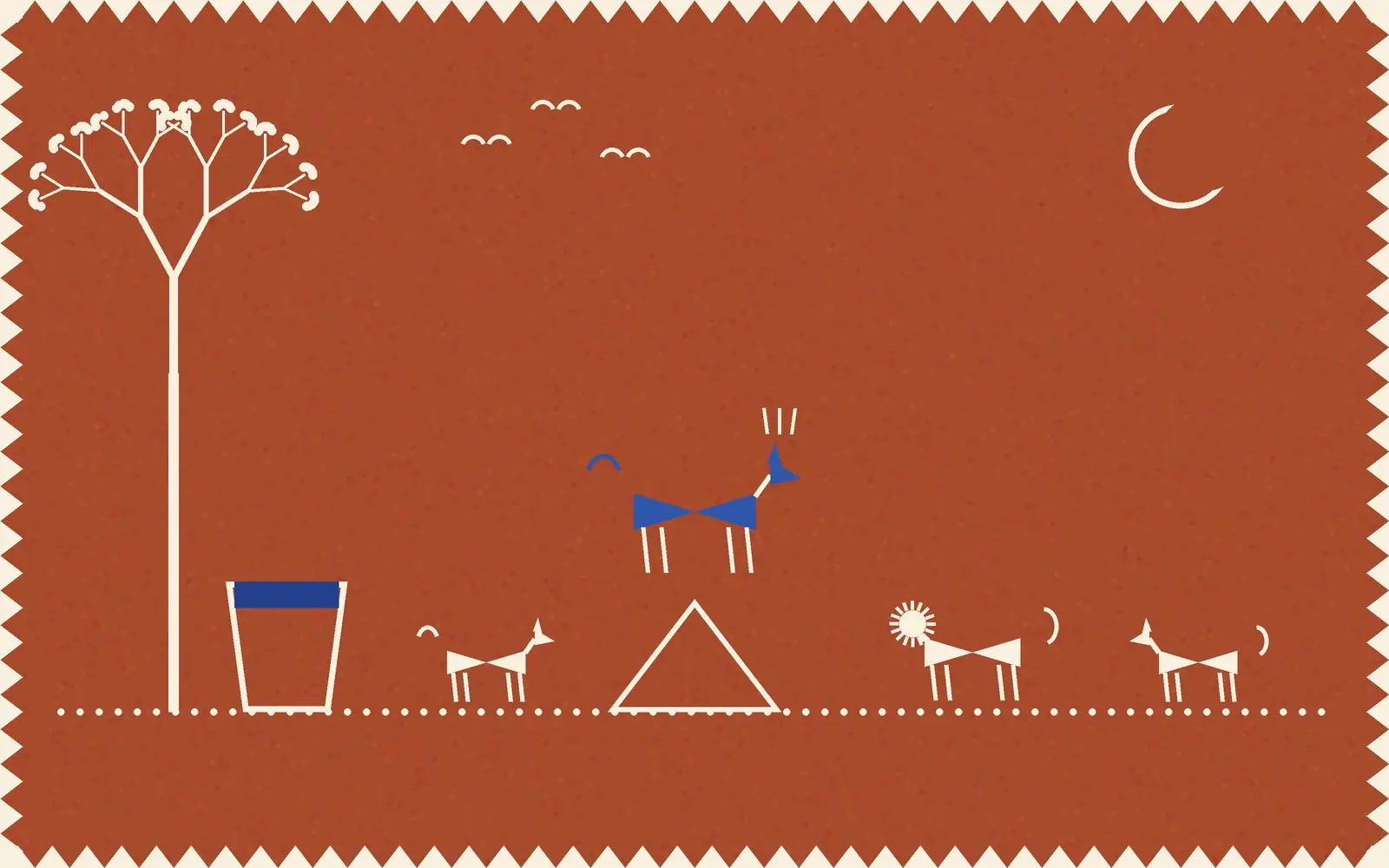
Fleeing the town dogs, the hungry jackal Chandarava fell into a dyer's vat of indigo and turned blue. The forest animals feared this strange creature, and he declared himself a king sent by Brahma. He drove away his own kin, the jackals, but one night, hearing them howl, he could not help howling too.
Panchatantra
The Turtle and the Two Swans: When One Word Ended the Flight
Editorial team
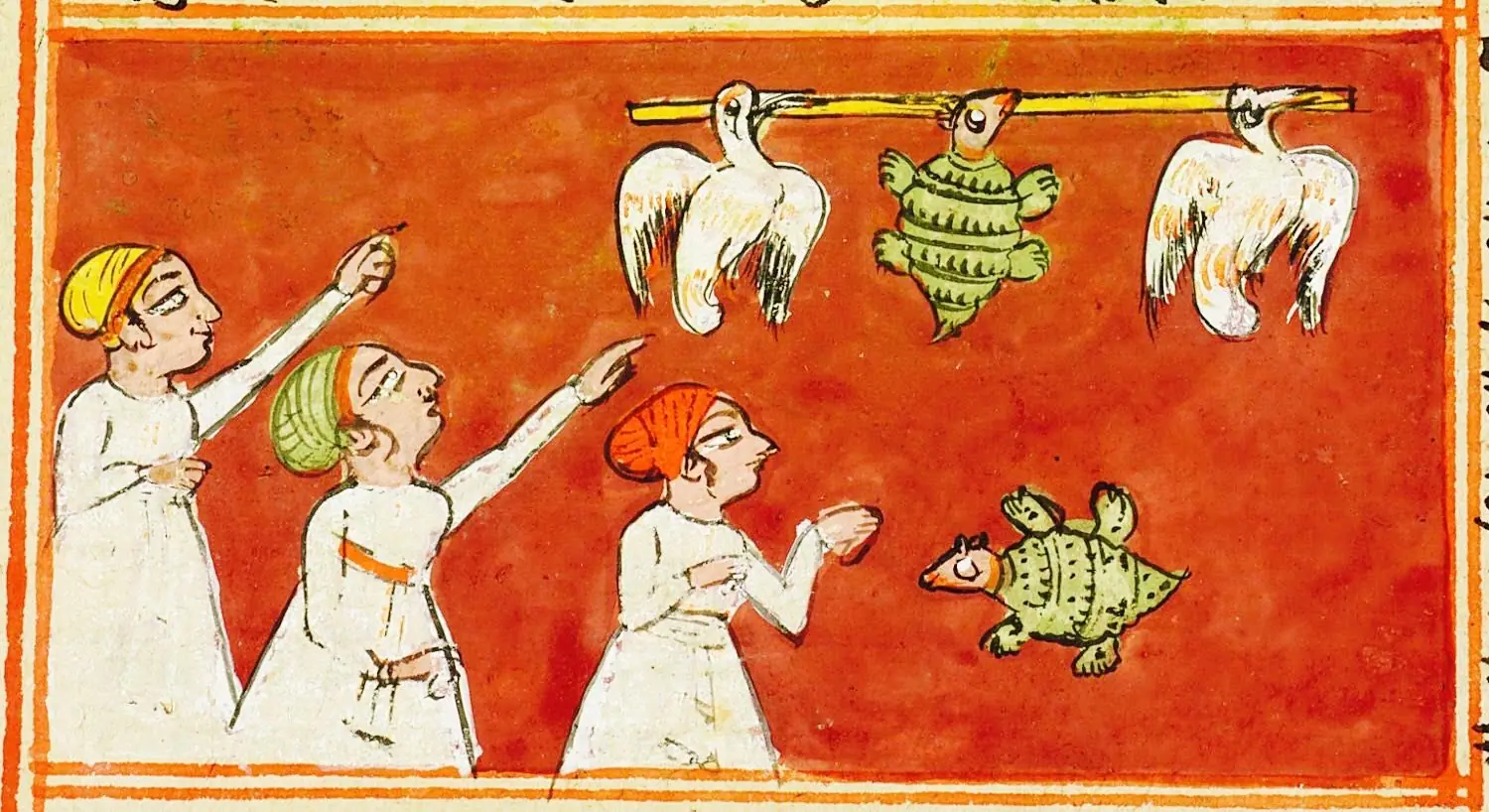
The turtle Kambugriva and the swans Sankata and Vikata were close friends. When drought struck, the swans found a way to carry him to another lake: he would bite on a stick while they held its ends. The condition was that he must not speak on the way. Hearing the townspeople below, the turtle spoke and fell.
Panchatantra
The Three Fishes: Forethought, Readywit and Whatever-Will-Be
Editorial team
Three fishes lived in a lake: Anagatavidhata, who planned ahead; Pratyutpannamati, who thought fast in a crisis; and Yadbhavishya, who left everything to fate. Hearing that fishermen would come, the first left in advance, the second escaped the net by pretending to be dead, and the third was caught.
Hanuman Leela
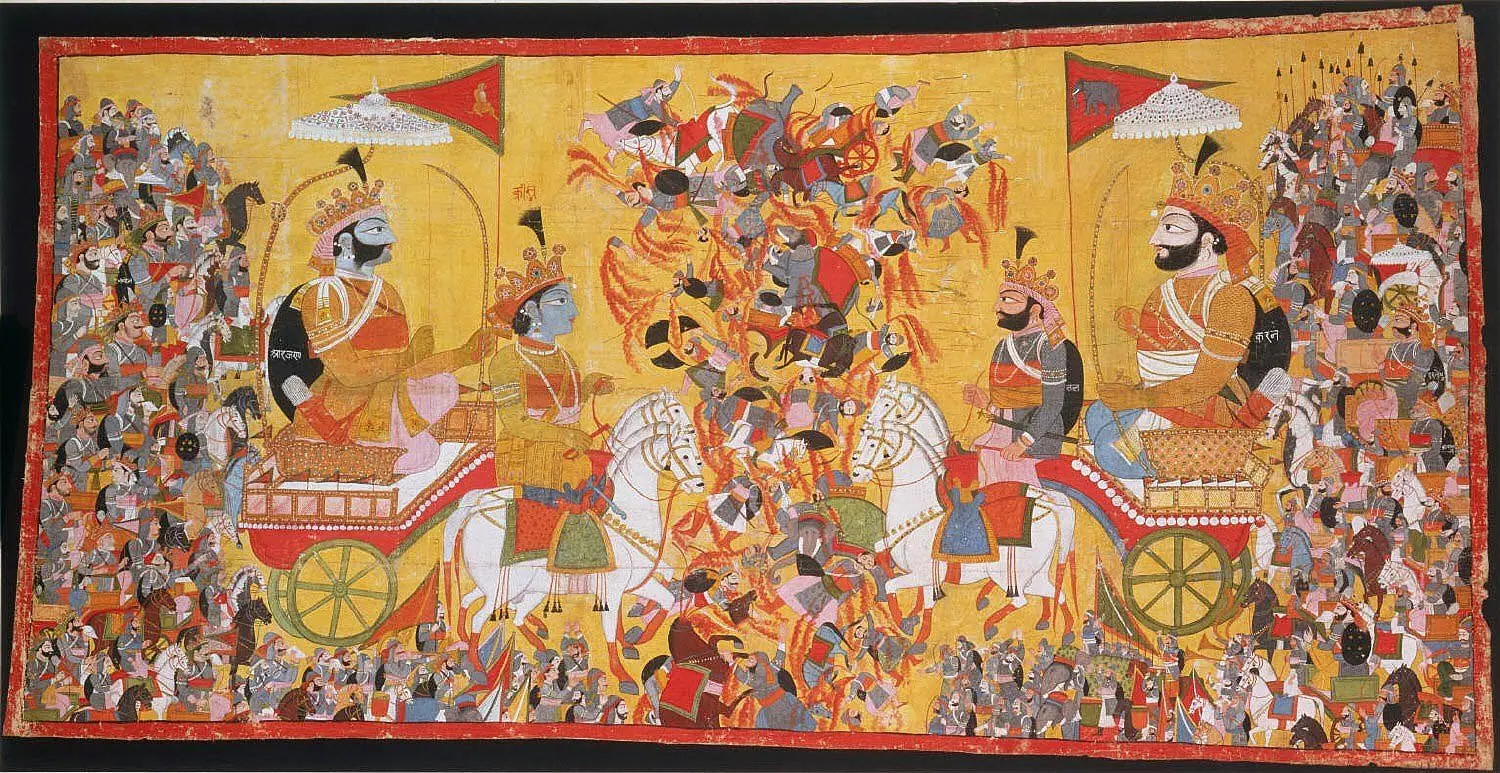
The Bridge of Arrows and the Monkey Banner: How Hanuman Came to Arjuna's Chariot
Editorial team
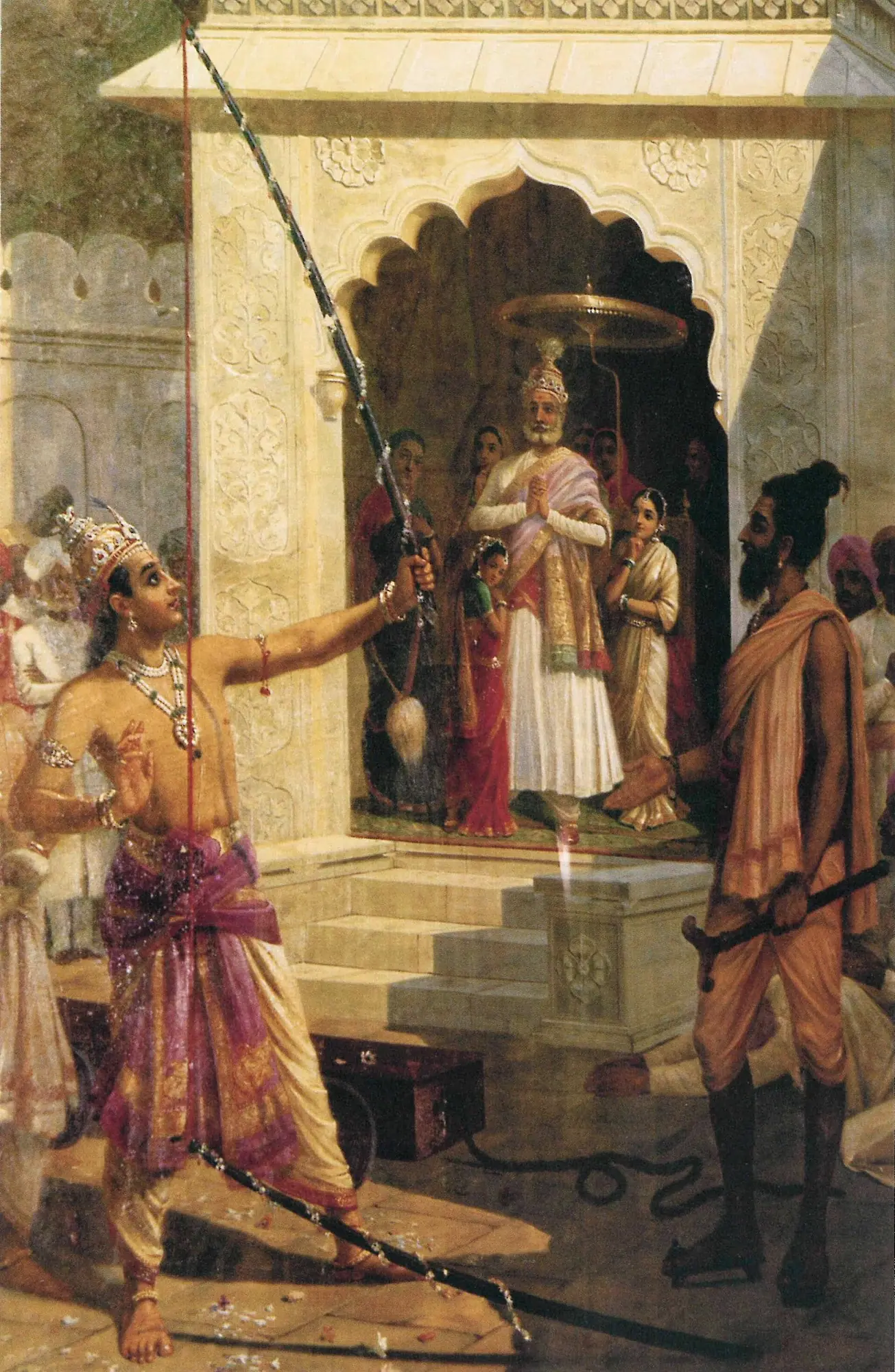
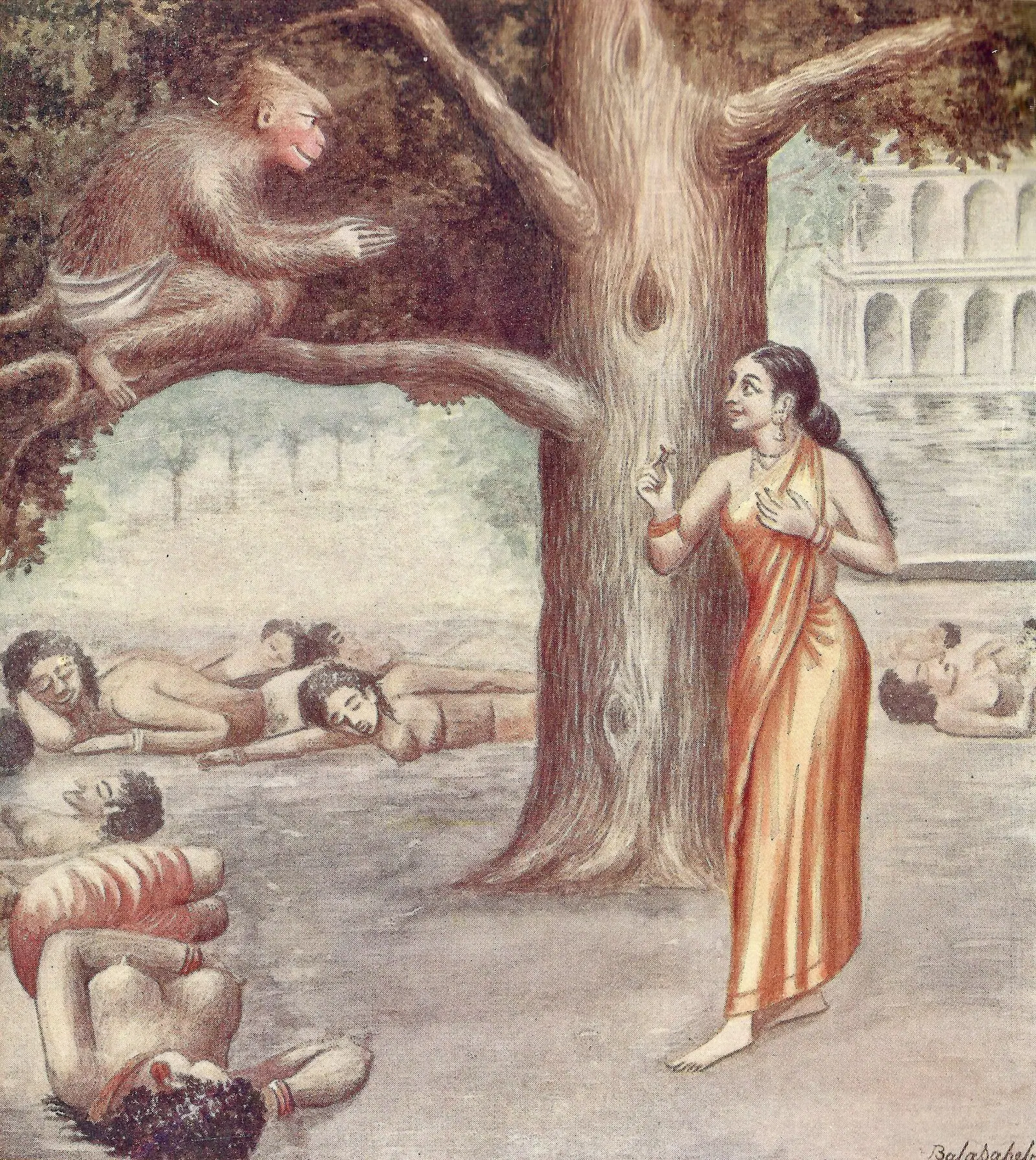
According to a folk tale, Arjuna reached Rameswaram on pilgrimage and said Rama could have built a bridge of arrows. A small monkey challenged him, and Arjuna's arrow bridge broke under its weight. By Krishna's grace the second bridge held, and Hanuman promised to stay on Arjuna's banner. In the Mahabharata, Arjuna is called Kapidhvaja, and at the war's end the monkey vanishes from his flag.

Ramayana
The Fall of Ravana: The Aditya Hridaya, Indra's Chariot and the Arrow That Ended the War
Editorial team
For the final battle between Rama and Ravana, Indra sent his own chariot and charioteer, Matali. In the popular text, the sage Agastya taught the weary Rama the Aditya Hridaya hymn. Ravana's heads grew back each time they were cut off, until the Brahmastra ended his life. Then Rama declared that enmity ends with death.
Mythological stories
MorePanchatantra
The Monkey and the Wedge: The Price of Meddling in What Is Not Yours
Editorial team
While building a temple, carpenters left a wedge in a half-split log and went to eat. A playful monkey sat on the log and pulled at the wedge. When it came out, the two halves snapped shut and the monkey was trapped and killed. The jackal Karataka tells this story to Damanaka.
Panchatantra
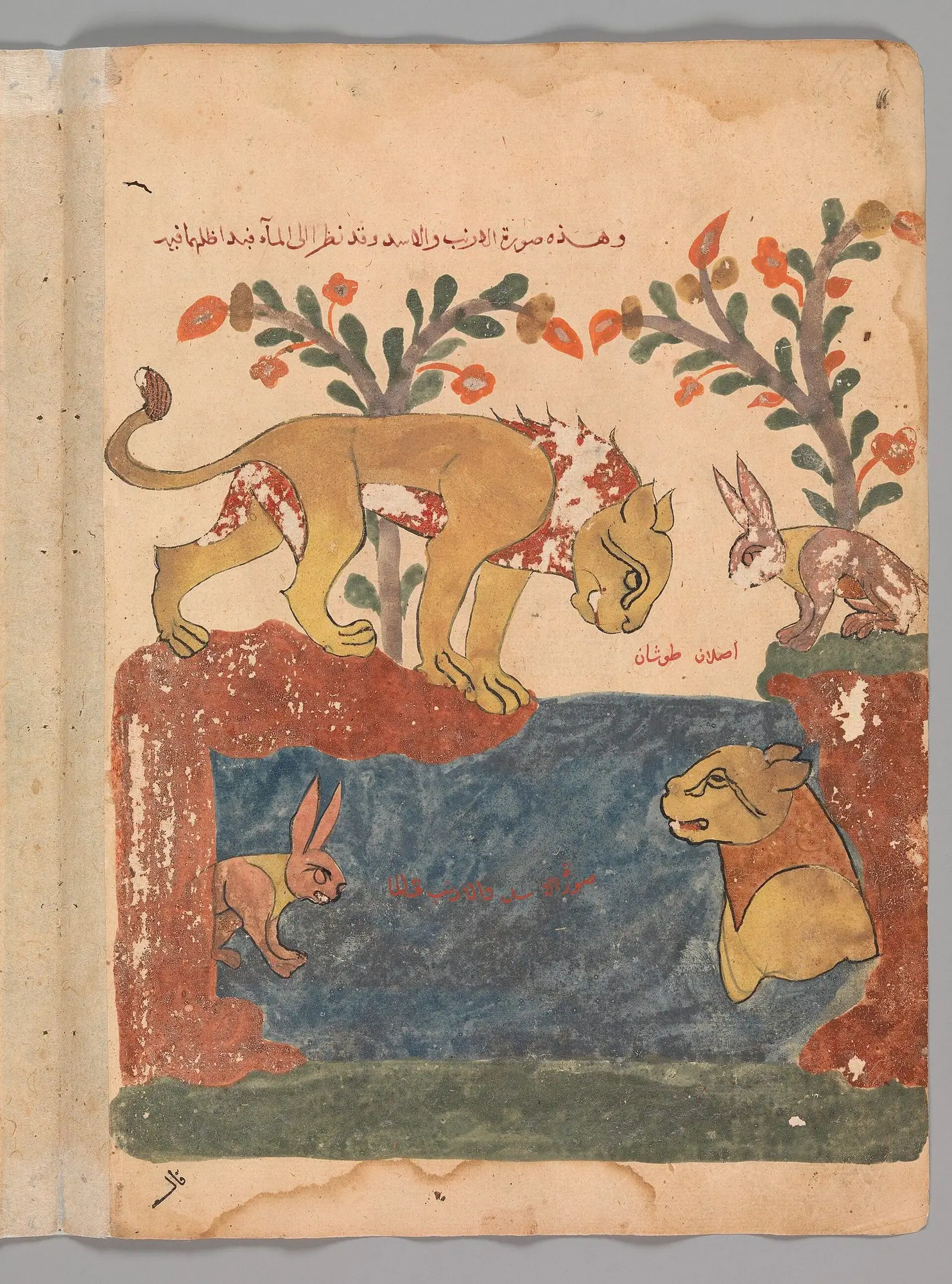
The Lion and the Clever Hare: When Wit Sent Strength Down a Well
Editorial team
A lion named Bhasuraka killed the forest animals without restraint. The animals agreed to send him one of their number each day. When it was the turn of a small hare, he arrived late, told the lion about a rival lion and led him to a deep well, where the lion leapt at his own reflection.

Daily wisdom
Bhagavad Gita 2.47
You have a right to your actions alone, never to their fruits. Do not let the fruit be your motive, and do not be attached to inaction.
Read more →कर्मण्येवाधिकारस्ते मा फलेषु कदाचन। मा कर्मफलहेतुर्भूर्मा ते सङ्गोऽस्त्वकर्मणि॥
Gods, goddesses and avatars
MoreHanuman Leela
The Bridge of Arrows and the Monkey Banner: How Hanuman Came to Arjuna's Chariot
Editorial team
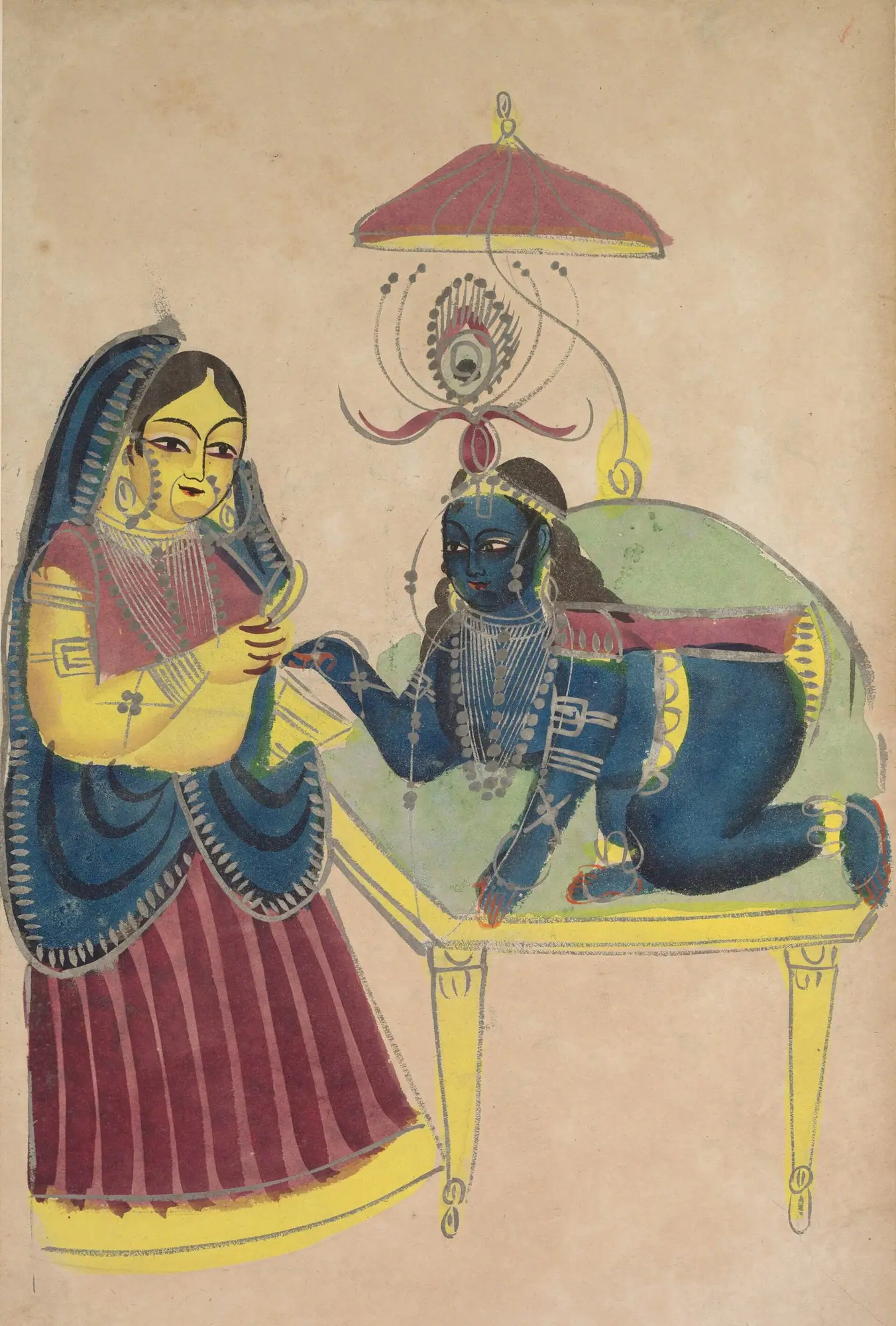
Krishna the Butter Thief: From Childhood Mischief to Damodara
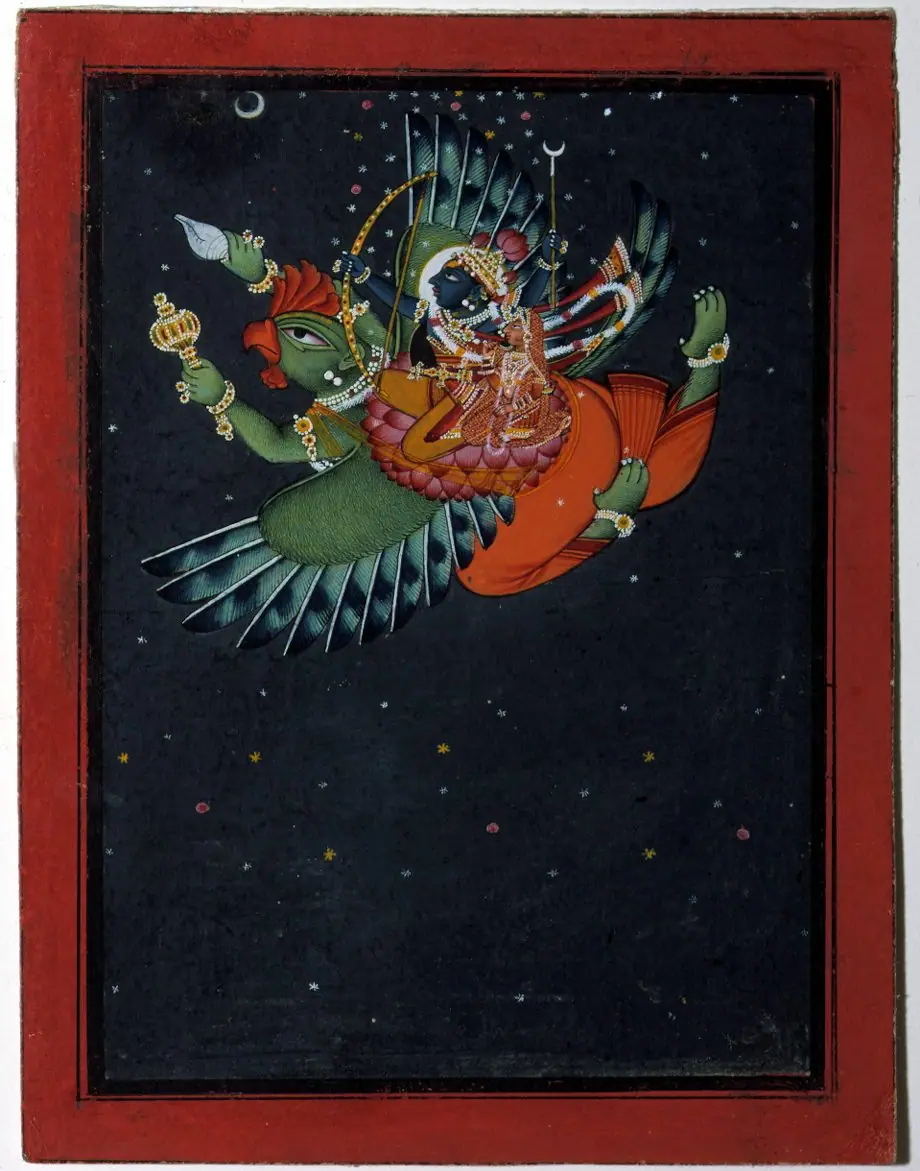
Three Prides in Dwarka: How Hanuman Humbled Garuda, Satyabhama and the Sudarshana

Narasimha: The Lord Who Emerged from a Pillar, and the Boy Prahlada

Shani and Hanuman: Why Hanuman Is Worshipped on Saturdays
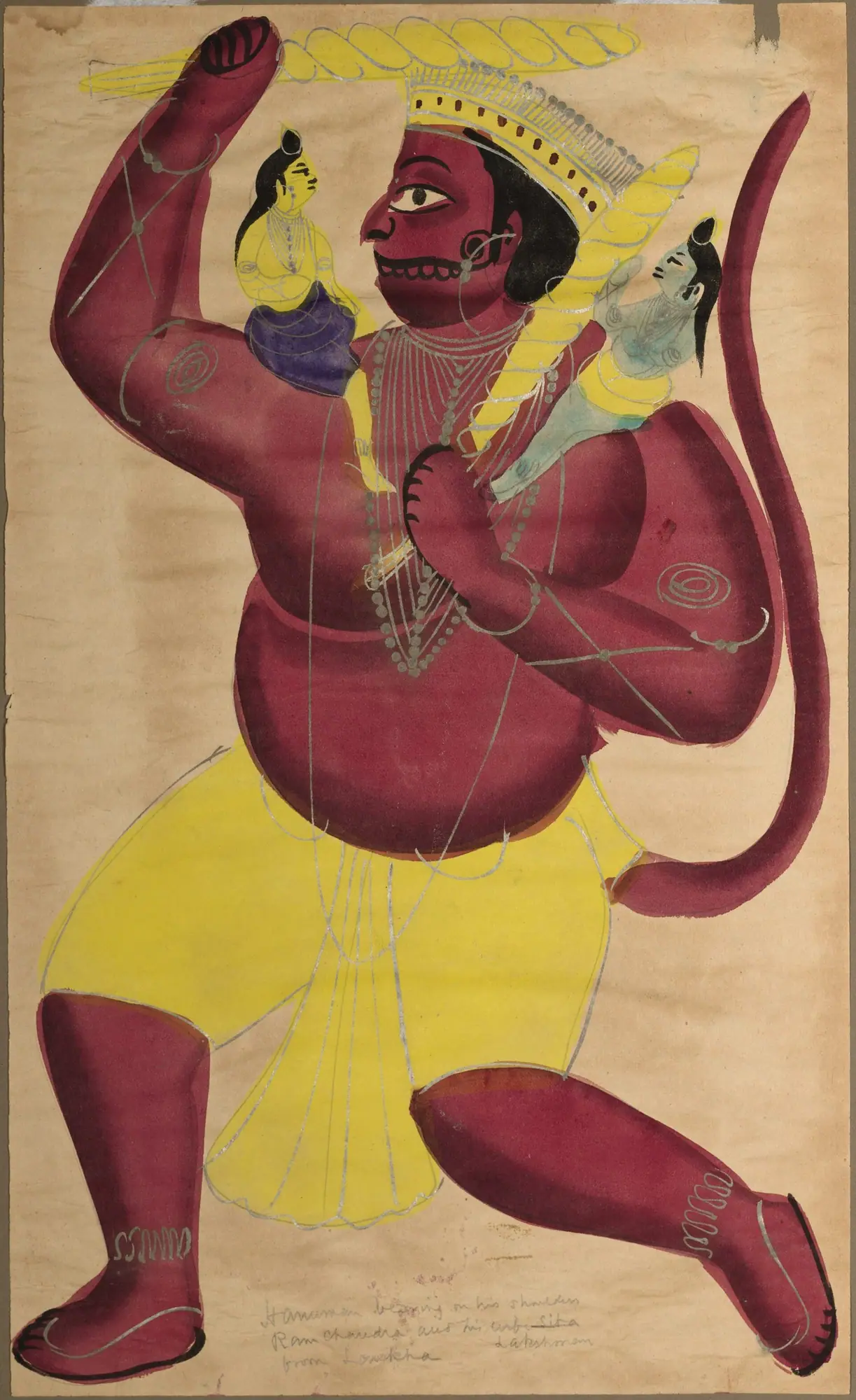
The Birth of Hanuman: Anjana, Kesari and the Blessing of the Wind God
The Breaking of Friends: The Lion Pingalaka, the Bull Sanjivaka and the Two Jackals
Saints, history and science
More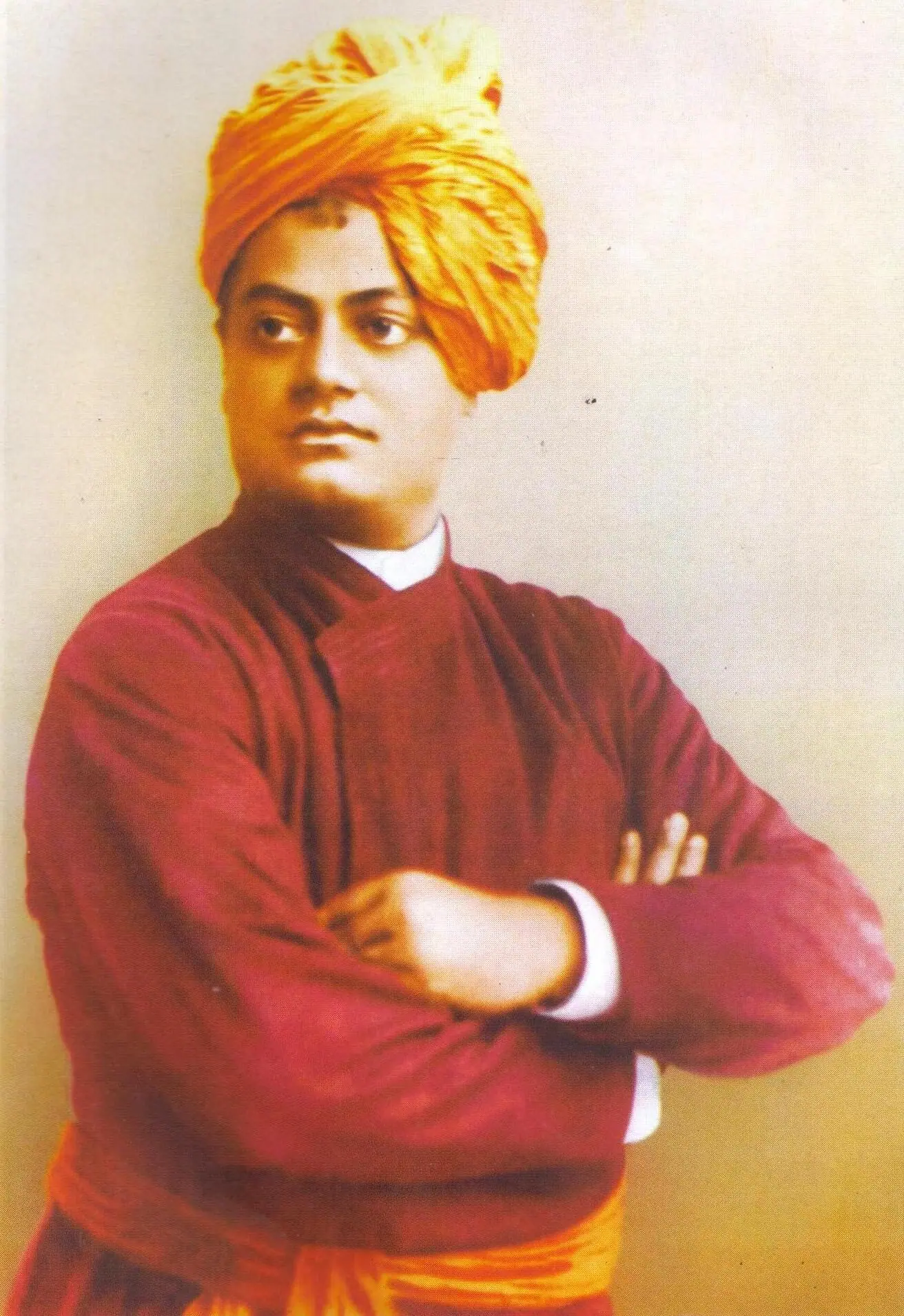
Modern History
'Sisters and Brothers of America': Swami Vivekananda in Chicago, 1893
Editorial team
On 11 September 1893, the opening day of the Parliament of the World's Religions in Chicago, the first words of the 30-year-old Swami Vivekananda drew a standing ovation. This article traces how he got there, what he said and how the moment shaped India and the wider world.
Indian Science
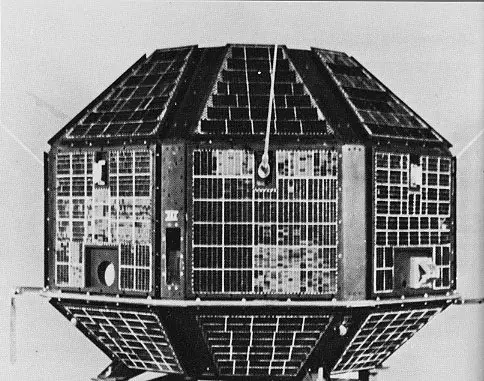
Aryabhata and the Aryabhatiya: What the Evidence Shows
Editorial team
Aryabhata composed the Aryabhatiya in 499 CE. It gives pi as 3.1416, explains the daily motion of the stars by the Earth's rotation and accounts for eclipses by shadows. Popular claims such as 'Aryabhata invented zero' are more complicated. This article separates what is established from what is debated.
Start here
One inspiring story, every week
Hand-picked stories, verses and research in your inbox. No spam.